DECEMBER 10: “Moving to Systemic Change”
The Tri-county Cradle to Career Collaborative and YWCA Greater Charleston continue their co-presented speaker series, MOVING TO SYSTEMIC CHANGE, and they invite
Community Service, Mutual Aid & Nonprofit Resources
The Tri-county Cradle to Career Collaborative and YWCA Greater Charleston continue their co-presented speaker series, MOVING TO SYSTEMIC CHANGE, and they invite

“The Mother Emanuel Memorial Foundation Board, which manages the fundraising, construction, endowment and outreach for the Emanuel Nine Memorial, announced Kimberlyn Davis as Executive Director today.”
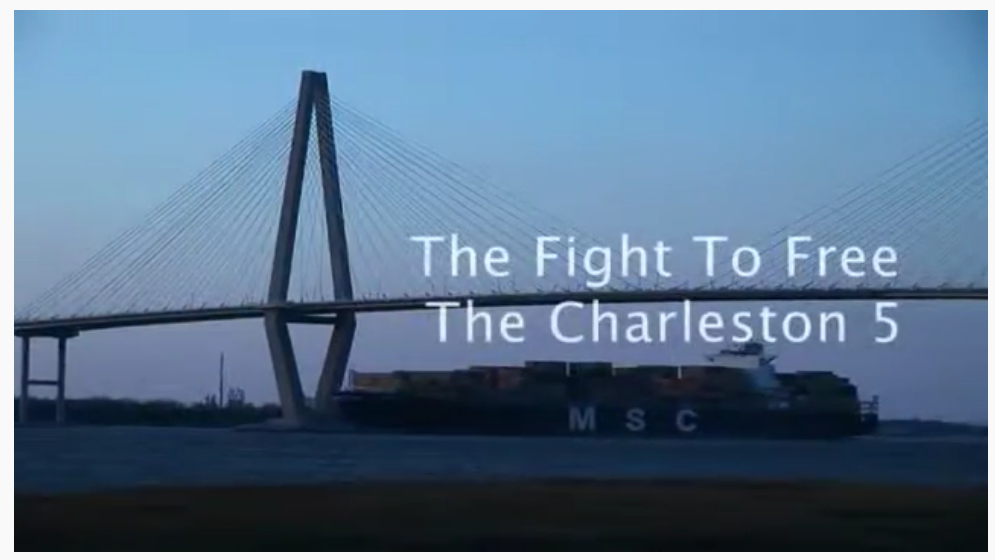
In honor of the holiday, we encourage Charlestonians to spend an hour learning, or refreshing their memories, about the local grassroots activism

The Sustainable Economies Law Center has put together a thoughtful and rich toolkit for anyone interested in mutual aid networks as an

We know social media platforms are full of challenges and dangers. But like many other troubling issues, the effects impact some people much more than others.

From our friends at the Black Ink African American Book Festival… Black Ink Festival Announces Sponsors and Opens Registrations to Black Authors

Check out our first #GoodFundingFriday grant opportunities list!
We hope this makes it even easier for folks to apply for grants in support of community programs, services and resources.

At Enough Pie, we work closely with our neighbors in the Upper Peninsula – from the Joseph Floyd Manor to Bridgeview Village, from

We’re excited to see this new program from the Charleston Gailliard Center. Check it out! Raising the Volume With Marcus Amaker and
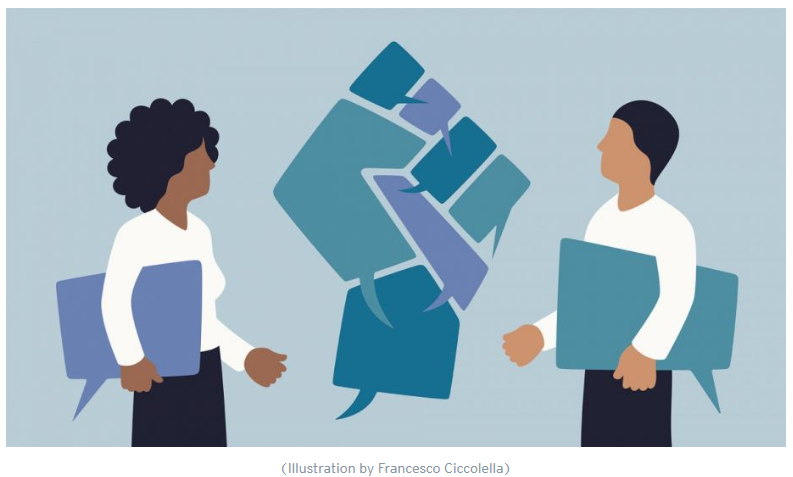
“While some statistics are kept by law enforcement agencies, the numbers often don’t include the everyday reality for people of color. Racialized people have a long history of being targeted by authorities and may not feel safe reporting to police; police could be the group causing the harm, there can also be language barriers and, even if reported, not all incidents will meet the threshold for a crime. But increasingly, grassroots organizations across North America are collecting data in that gray zone. That data is now becoming a crucial part of shaping solutions, supporting advocacy, changing laws and strengthening allyship.”